You spend an hour on the thing, it goes badly, and afterwards you look at somebody doing it properly.
Their work is finished, polished, and eight years ahead of yours. There's a small collapse, and the practical effect arrives about four days later: the next session is slightly harder to start, and the one after that doesn't happen.
Nobody records that as the reason a goal stopped. It usually is.
What's actually being compared
Your process against their output.
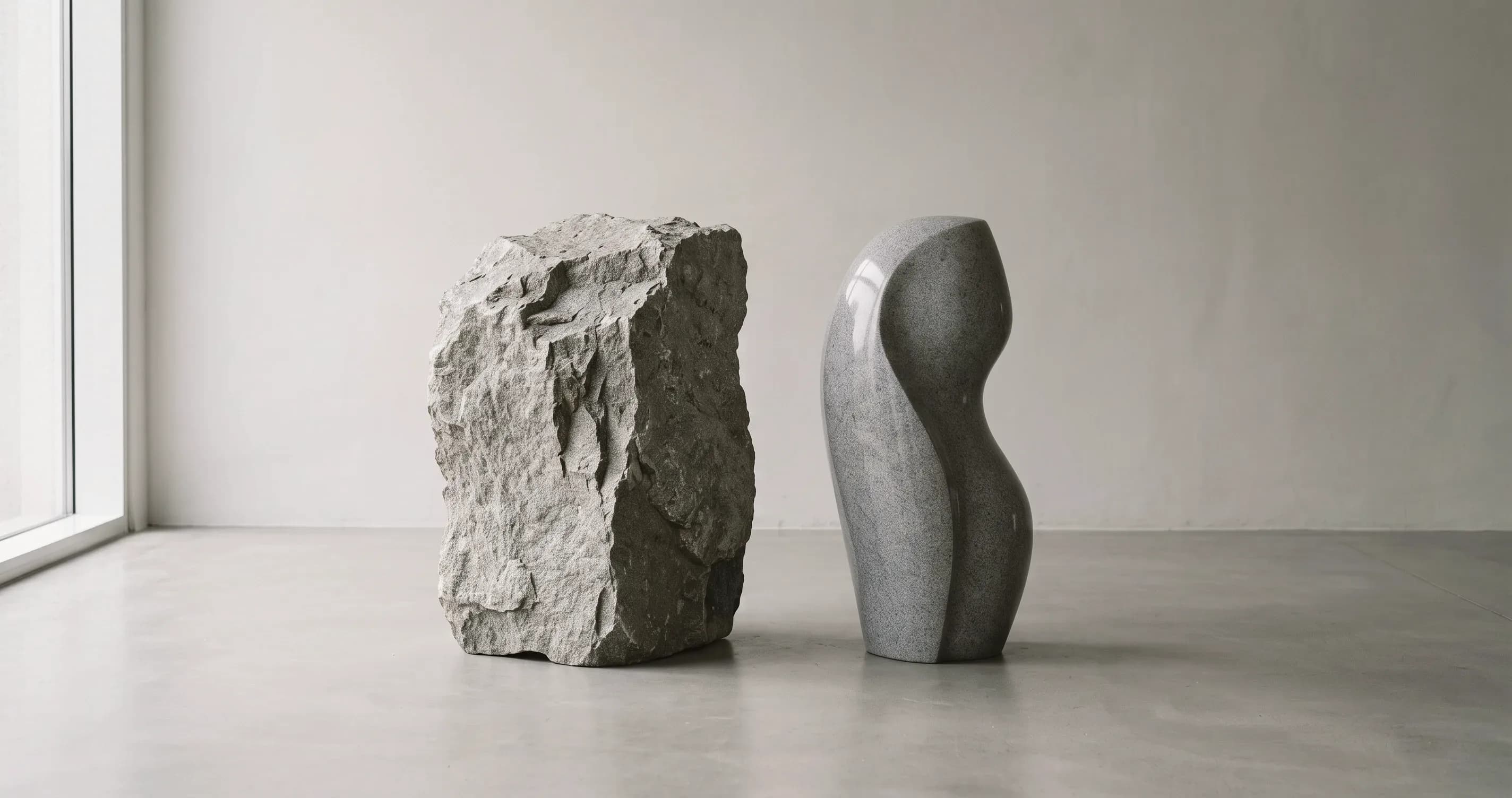
You have complete access to your own work in progress — the bad first attempts, the parts you know are weak, the session that produced nothing. You have access to their finished, selected, edited result, which is the top few per cent of what they made and represents years of the stuff you're currently in the middle of.
That's not a comparison, it's a category error, and knowing it's a category error helps less than you'd hope. The feeling arrives before the analysis.
There's a second distortion that's less discussed. What you see is heavily selected by whatever platform showed it to you, which shows you the exceptional rather than the representative. The median person doing the thing you're doing is roughly where you are and is invisible.
The specific damage
Not discouragement in general. Three concrete effects.
It makes the next session heavier. After a comparison, sitting down means sitting down with the gap in mind, and the gap makes ordinary work feel inadequate. Sessions that would have been fine become disappointing, and disappointing sessions get skipped.
It changes what you work on. A quiet pull towards whatever the comparison made look valuable, rather than towards what you were doing. That's how people end up two months into someone else's project.
It supplies a reason to stop that sounds like realism. There are people much better at this than me is true of everyone doing everything, and it's the most respectable-sounding reason to abandon something.
What to do about it
Four things, in descending order of usefulness.
Compare to your own record instead. This is the one that works, and it requires having kept one. Reading what you wrote in March, when the thing you now find easy was the thing you couldn't do, is the only true comparison available — same person, same work, different point in it. A folder of dated files does the same job for visual work.
Time it deliberately. Look at other people's work when you're not about to work, and never immediately after a bad session. That's a rule about scheduling rather than about willpower, and it's much easier to keep.
Find the process, not the output. Where someone shows their working — drafts, failures, how long things took — the comparison becomes informative rather than corrosive. It's the finished-only view that does the damage.
Notice who's invisible. For every person you're comparing yourself to, there are several thousand at your stage that no platform will ever show you.
Where comparison is useful
The counter, because the standard advice to stop comparing is too broad.
You need some external reference or you can't calibrate. Someone working alone for three years with no idea how their work sits against anyone else's will either overrate it or underrate it, usually the second, and both are expensive.
Comparison is also how standards get set. Plenty of people improved because they saw work considerably better than theirs and understood, for the first time, what was possible. That's a real mechanism and it isn't available from looking only at your own output.
The distinction is between comparison as measurement and comparison as verdict. That's what good looks like, and here's specifically what they do that I don't is useful. They're further along, therefore what's the point is the same input processed into a conclusion about you.
The tell is whether you come away with something to try or a feeling about yourself.
That test is quick enough to apply in the moment. If ten minutes of looking produced a specific technique you want to attempt on Thursday, it was worth the ten minutes. If it produced a general sense of the distance, it wasn't, and the honest response is to close it rather than to keep looking in the hope that the feeling resolves.
Fourteen months of drawing
He draws most evenings for a year and shows nobody.
Around month eight it gets harder, and the trigger is identifiable if you look: he'd started following several people who draw professionally, and he was looking at their work in the evenings, usually just before or after a session.
By month ten he's drawing three times a week, then once. The goal reads keep drawing and by January it's at 31 days quiet. If asked, he'd say he lost interest.
What restarts it is a folder. Dated files, going back fourteen months, and March is startlingly worse than he'd remembered. The improvement he'd been unable to see — because he was measuring against professionals rather than against himself — is plainly there across ten months of his own work.
That's the whole intervention. He doesn't stop looking at other people's drawings. He stops doing it on the evenings he draws, and he keeps the folder.
Why the record is the answer
Because the comparison you need is the one nobody else can provide.
Whether you're getting better is a question about you across time, and the only data on it is your own past work. Without a record you're comparing today's session to a memory, and memory reports the mood.
That's the underrated use of writing a line each time. Not accountability, not planning — evidence, for the specific moment eleven months in when you're convinced nothing has changed and there's no external signal to check it against.
Thirty entries read in one sitting will tell you what a year of looking at other people's finished work never could.
Related: Creative practice without an audience · Notes as evidence · Learning a language past the enthusiastic month
Share: