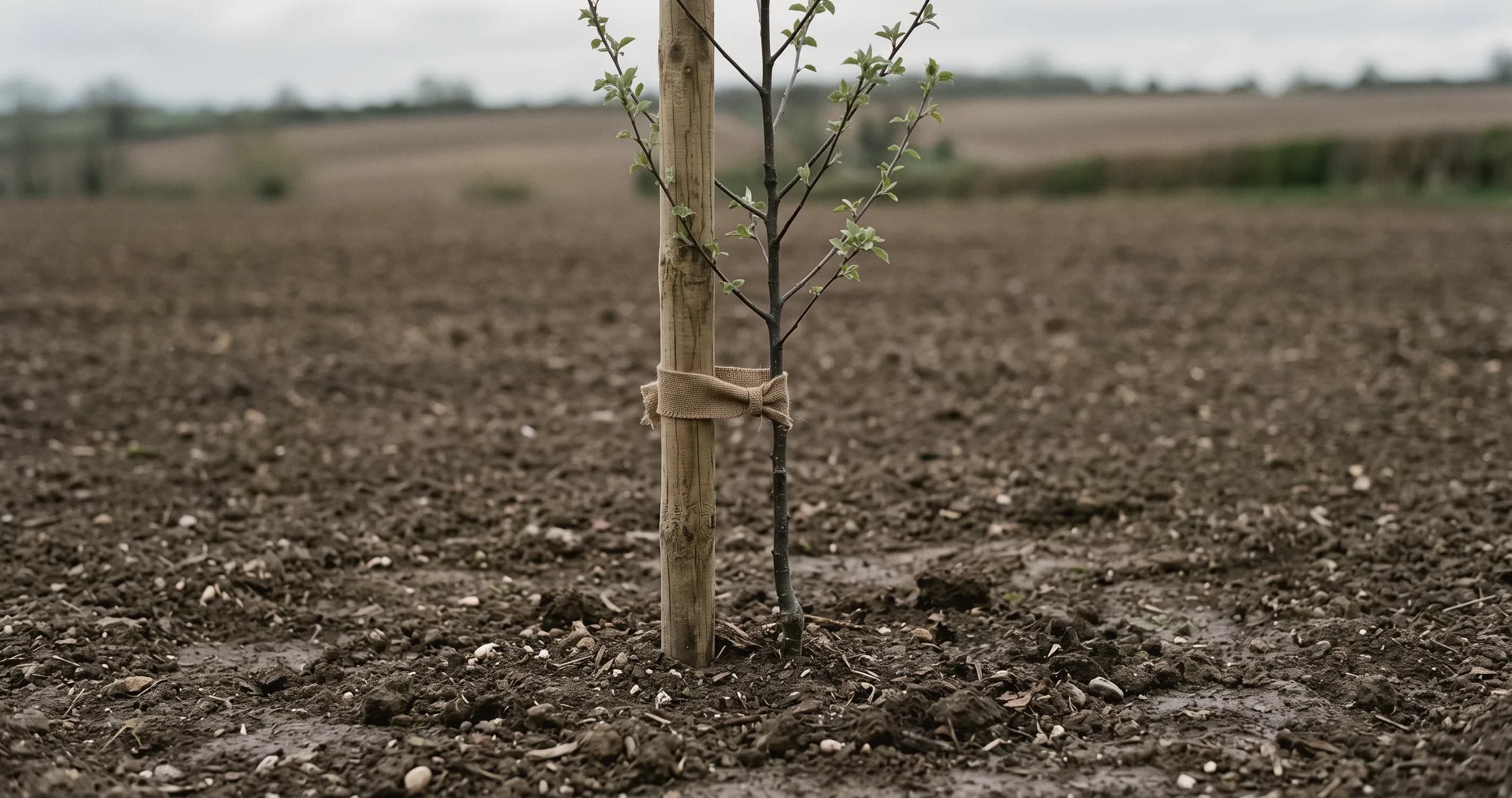
The first fortnight of anything is easy, and almost nobody treats it as the risk it is.
Sessions happen without effort. The material is new, progress is visible, and there's a pleasant sense of having become someone who does this. Everything about it feels like evidence that this time is different.
It isn't evidence. It's what a fortnight of novelty feels like, and it happens equally in the attempts that last and the ones that don't.
What the opening fortnight is actually telling you
Very little about whether the goal will survive.
Novelty supplies its own motivation and it lasts a few weeks. During that period you'll do things you won't sustain — the hour a day, the six sessions a week, the ambitious version — and they'll feel comfortable, because novelty is doing the work rather than habit or interest.
The mistake is calibrating on that fortnight. A plan built on what you managed in week two is a plan built on a resource that's about to disappear, and its failure in week five gets read as a failure of discipline rather than of estimation.
The three things to do with the enthusiasm
Spend it on structure rather than on volume, because structure is what remains when the enthusiasm goes.
Set the floor now, while you're generous. Decide what you'll do in the worst week of the year — one session, ten minutes, whatever survives illness and a bad fortnight at work. Write it on the goal. In week nine you will not be in a position to decide this fairly, and the version you'd choose then will be either too harsh or an abandonment.
Write the restart rule. After two missed sessions, do a deliberately trivial one. That's the single most useful sentence you can put on a new goal, and it has to be written before you need it, because on the day you need it the sensible-sounding option is to wait until you can do it properly.
Write the one-line reason. Concrete, checkable, unembarrassing to read in June. Because my back stops hurting when I swim. You know exactly why you're doing this today and you will not in four months, and the sentence takes twenty seconds now and can't be reconstructed later.
Three things not to do with it, all of which feel productive.
Don't set the schedule at week-two capacity. Six sessions a week is what novelty affords. Two is what a year affords. Choosing two while capable of six feels like underachieving and is the entire reason the thing is still alive in October.
Don't buy equipment or build a system. Both are enjoyable, both feel like commitment, and both substitute for the activity. A first fortnight spent configuring something is a fortnight of novelty spent on the wrong thing.
Don't announce it. The recognition you get for stating an intention arrives immediately, at no cost, and partly substitutes for the recognition you'd get for doing it. Tell one person a specific deliverable and a date if you want accountability. Don't tell six people what you've become.
The week five problem
Which is when the novelty finishes, and it's worth expecting to the point of putting it in the diary.
What happens is that progress stops being visible. In week two you can feel yourself improving; by week five the change per session has collapsed even though the rate of learning hasn't. The effort is identical and the reward has gone.
That's the moment sessions become decisions rather than defaults, and decisions lose to tiredness. A first missed session, then a second, and then the pattern has converted into a nightly negotiation.
Everything above is aimed at this fortnight. The floor means a bad week doesn't produce a failure. The restart rule means two missed sessions get met with a trivial one rather than a plan to resume properly. And the reason line means the question why am I doing this has an answer available at the moment it's asked.
Where this is too cautious
The counter.
Some things genuinely benefit from an intense start. Learning a language to a functional level, getting fit enough to enjoy exercise rather than endure it, building enough of something to see whether it works — all of those have a threshold below which the activity isn't rewarding, and a slow careful start can leave you below it indefinitely.
For those, spend the novelty on volume deliberately, and understand what you're doing: buying your way past a threshold with a resource that won't last. Then drop to the floor when it goes, having decided the floor in advance.
There's also a real cost to over-designing a new goal. Fifteen minutes of setup is fine. An afternoon is the system becoming the project, in week one, which is impressively early.
Nineteen days and a floor
He starts the book in January at an hour a day, seven days a week, which is what week one affords.
It survives nineteen days. A work trip, then tiredness after the work trip, then a week gone — and by day twenty-five the daily commitment has become the thing he's failing rather than the thing he's doing.
The second attempt, in March, differs in three sentences written before anything else. Two sessions a week, Tuesday and Thursday, half seven to nine. Floor: one session in a bad week. After two missed, do twenty minutes whatever's happening.
Week five arrives in April and is unremarkable, because the schedule was set for it. The restart rule gets used twice in the first quarter, both times after a disrupted fortnight, both times producing a session that achieved nothing and kept the pattern intact.
The book takes twenty-six months. The version calibrated on week two took nineteen days.
What the counter says early on
Nothing useful, and that's worth knowing.
In the first fortnight the number will be small every time you look, because you're touching it constantly. It won't tell you anything about whether this will last — no measure can, at two weeks.
Where it starts earning its place is week six, when the first real gap appears and you find out whether the rules you wrote in week one were the right ones.
Related: The two-day gap that decides everything · Learning a language past the enthusiastic month · Write the goal so tomorrow-you knows what to do
Share: